
Msinga Municipality Community Services and Development Initiatives
Msinga Local Municipality delivers essential services to residents across 14 wards despite facing resource constraints and geographic challenges. Community services encompass water and sanitation infrastructure, healthcare facilities, educational support, and recreational programs designed to improve quality of life. The municipality coordinates with provincial and national government departments to maximize service delivery impact while pursuing innovative funding partnerships. Development initiatives prioritize vulnerable populations including youth, women, and elderly residents through targeted programs that address unemployment, healthcare access, and skills development.
Core Service Delivery Programs
The municipality operates multiple departments focused on meeting community needs through coordinated service delivery approaches. Technical services manage water, sanitation, and road infrastructure, while community services oversee healthcare clinics, libraries, and recreation facilities. Financial constraints require prioritization based on population density and urgent needs.
- Water access programs deliver borehole drilling and pipeline extensions to 15,000 rural households
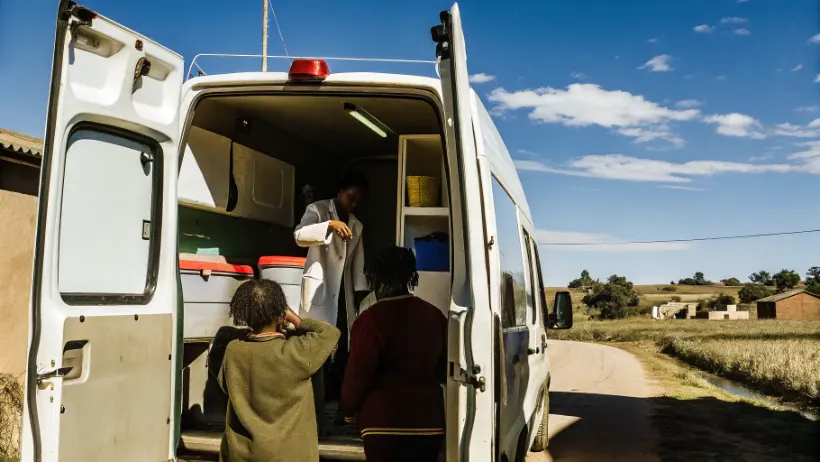
- Mobile health clinics provide primary healthcare services in remote areas lacking permanent facilities
- Adult education programs offer literacy training and skills development for 2,000 participants annually
- Youth recreation facilities support sports programs and after-school activities in all wards
- Social assistance programs connect vulnerable residents with government grants and support services
Service Delivery Performance
Tracking service delivery metrics ensures accountability and identifies areas requiring additional resource allocation:
| Service Category | Coverage Rate | 2024 Budget Allocation |
|---|---|---|
| Water Access | 68% of households | R 45.8 million |
| Sanitation Facilities | 52% of households | R 32.4 million |
| Healthcare Services | 8 clinics operating | R 28.6 million |
| Educational Support | 85% school attendance | R 41.2 million |
| Recreation Programs | 12 facilities active | R 12.5 million |
"Service delivery in rural municipalities requires creative solutions and partnerships that supplement limited budgets while maintaining accountability to residents who depend on these essential services."
Development Initiative Impact
Community development initiatives focus on building resident capacity and creating economic opportunities beyond traditional service delivery. Skills training programs partner with technical colleges to prepare youth for employment in construction, hospitality, and information technology sectors. Small business incubation supports entrepreneurs through mentorship and connections to funding sources. These initiatives address root causes of poverty while immediate service delivery meets urgent needs. The integrated approach positions Msinga for sustainable development that improves quality of life while building economic independence.