
Msinga Local Municipality and Casino Entertainment Development
One of KwaZulu-Natal, South Africa's most culturally diverse regions is Msinga Local Municipality. The region's traditional governing structures and Zulu ancestry are deeply ingrained in its history.
The municipality's agricultural setting, undulating hills, and the Tugela River valley define its about 2,499 square kilometer area. Local leadership structures create a distinctive paradigm that maintains cultural identity while achieving development objectives by fusing traditional authority with modern municipal government.
The Municipality's Geographic Location and Demographics
Msinga is located in the Umzinyathi District Municipality, which shares boundaries with a number of other local municipalities and is primarily made up of rural communities. The majority of the population is made up of Zulu-speaking people who live in various traditional communities and homesteads. The demographic profile reveals a youthful population with high rates of unemployment, especially among women and young people. The majority of households' main sources of income are government handouts, subsistence farming, and raising animals.
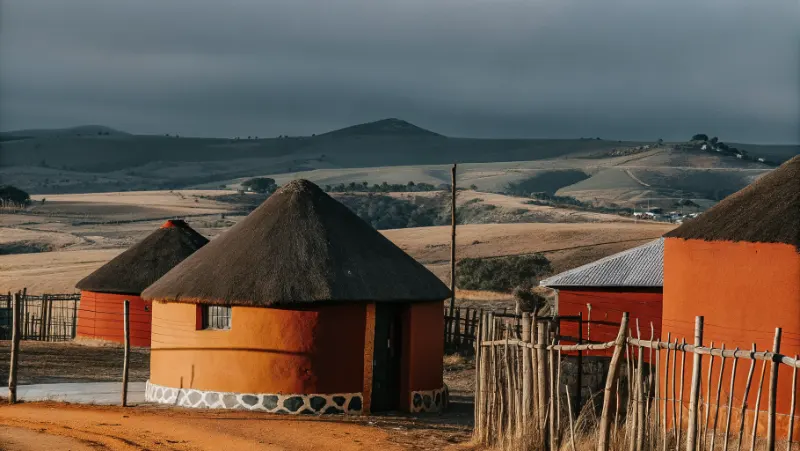
Conventional Community Values and Contemporary Issues
In Msinga municipality, extended family networks, traditional leadership, and group decision-making are central to community life. These historic beliefs are increasingly coming into contact with contemporary realities including poverty, a lack of adequate educational resources, and problems accessing healthcare. Because young people struggle to strike a balance between cultural expectations and ambitions for contemporary work prospects, local authorities are looking for creative methods to respect tradition while paving the way for economic growth.
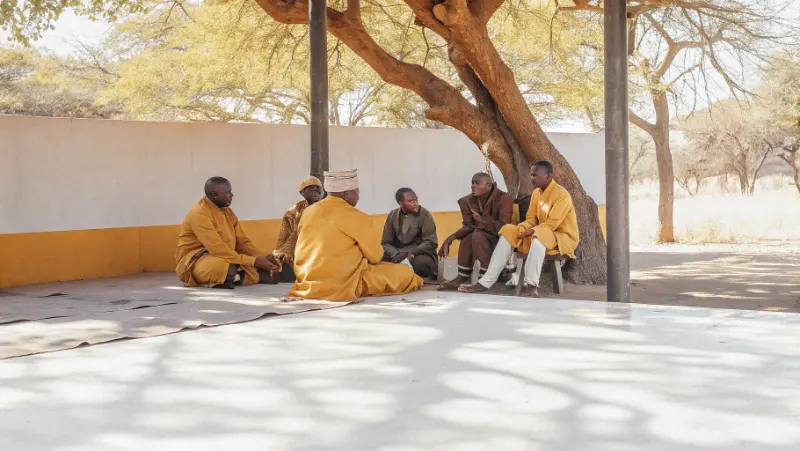
Development of Municipal Services and Infrastructure
In Msinga municipality, continuous infrastructure development and efficient service delivery are the cornerstones of community well-being. The municipality works to offer vital services that enhance the quality of life for inhabitants in every ward, despite severe resource limitations and geographical obstacles. While creating capacity for future growth and development, infrastructure projects fill important gaps in community facilities, road connections, and water access.
Important Municipal Departments and Service Provision
In order to provide inhabitants with necessary services, Msinga Local Municipality is run by a number of specialized departments. While addressing a variety of community needs over the large geographic region, the organizational structure guarantees accountability.
| Department | Main Purposes | Service Domains | Allocation of the Annual Budget |
|---|---|---|---|
| Community Services | Recreation centers, libraries, and community halls | All 14 wards | R 12.5 million |
| Technical Services | Infrastructure for roads, water, and sanitation | Rural and semi-urban areas | R 45.8 million |
| Corporate Services | Administration, legal matters, human resources | Municipal headquarters | R 8.3 million |
| Financial Services | Budget management, income collection, grants | Municipality-wide | R 15.2 million |
| Development and Planning | Building codes, LED, spatial planning | Development zones | R 18.7 million |
Due to its limited ability to collect taxes, the municipality mostly relies on subsidies from the federal government and transfers from the provinces to finance operations and infrastructure projects.

Rural Water and Sanitation Initiatives
One of the most urgent issues facing the people of Msinga municipality is access to clean water. For everyday requirements, a lot of homes still rely on shared taps, boreholes, or river water. Programs for drilling boreholes, pipeline expansions to isolated settlements, and water tanker services during dry spells are examples of recent projects. The main goals of sanitation upgrades are to encourage hygiene education and swap out pit latrines for ventilated, upgraded pit toilets.
Transportation Networks and Road Infrastructure
The majority of the roadways in Msinga municipality are gravel roads, with a small number of asphalt highways linking important hubs. When it rains a lot, many rural regions become impassable, separating populations from necessary services. For small-scale farmers, transportation issues have an impact on market participation, healthcare access, and school attendance. In order to prioritize renovations according to population density and strategic relevance, the municipality collaborates with provincial road agencies.
Msinga Municipality's Economic Development Initiatives
The majority of households are involved in agricultural farming or animal keeping, making agriculture the foundation of the local economy.
Farming Livestock and Agricultural Activities
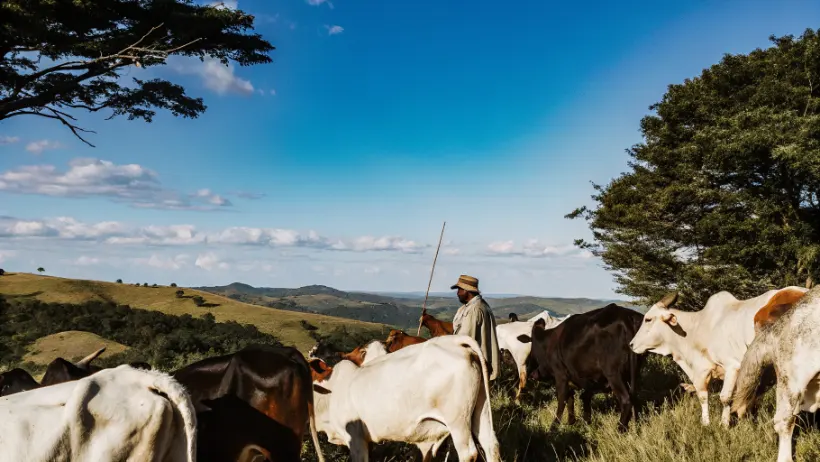
Crop cultivation is dominated by the production of maize, with fruit trees and vegetable gardens serving as supplements. In Msinga, cattle ranching is very important both culturally and economically, since it symbolizes riches and supports customary rituals. Through veterinary care, dipping programs, and links to commercial markets, the municipality assists farmers.
Programs for Skill Development and Employment Opportunities
Given the consistently high unemployment rates in Msinga municipality, creating jobs continues to be a top goal. The local economic development strategy emphasizes a variety of methods to increase resident capability and provide revenue possibilities.
- Community members are hired by public works programs to maintain facilities, preserve the environment, and maintain infrastructure. These programs provide participants with short-term income while teaching them fundamental skills that will help them find long-term employment.
- Through training sessions, mentorship programs, and financial connections, small company incubation assists entrepreneurs in converting unofficial ventures into viable businesses that boost the local economy and create jobs.
- In order to provide courses in industries where there is a need for workers both locally and nationally, such as construction, hospitality, and information technology, skills training programs collaborate with technical institutions and private sector businesses.
- In order to lower youth unemployment and create the next generation of local business leaders and trained workers for developing economic sectors, youth development initiatives explicitly target young people through internships, learnerships, and entrepreneurial boot camps.
- In order to pool resources, exchange knowledge, and negotiate greater market access than individual operators could do on their own, cooperative development encourages locals to establish agriculture cooperatives, craft production groups, and service supply collectives.
Tourism and Entertainment Development Potential
While Msinga does not currently have significant tourism infrastructure, its cultural heritage and natural landscape provide untapped opportunities. Historical sites related to Zulu heritage could attract cultural tourists. Partnerships with entertainment sectors, including both physical and digital platforms, represent emerging economic diversification strategies. Revenue generated through such collaborations could supplement traditional municipal funding sources while creating employment opportunities in service-oriented sectors.
Integrating Casino Entertainment into Local Development
The integration of entertainment opportunities, including potential casino partnerships, presents both opportunities and responsibilities for Msinga municipality. Such developments could provide significant revenue streams that contribute to infrastructure improvements, educational programs, and social services. Economic diversification through these activities reduce economic vulnerability to shocks like drought and market fluctuations while providing opportunities for residents with a variety of skills and interests outside of traditional livelihoods.
Measures for Community Protection and Responsible Gaming
The protection of the town and the wellbeing of its residents must come first in any combination of casino entertainment with municipal development. Frameworks for responsible gaming make guarantee that monetary gains don't come at the expense of societal damage. Campaigns for education educate locals about the dangers of gaming and encourage wise choices. Support services link people who are having problems with money management help and counseling options. Community engagement procedures guarantee that locals are involved in choices about development goals and casino partnerships.
Sustainable Growth Strategies and the Future Vision
The municipality of Msinga continues to take a forward-looking approach to development planning, striking a balance between short-term service delivery requirements and long-term transformation objectives. Priority initiatives in a number of industries are included in the Integrated Development Plan for the upcoming years.
| Project Category | Specific Initiatives | Implementation Timeline | Estimated Budget | Expected Impact |
|---|---|---|---|---|
| Water Infrastructure | Drilling boreholes, expanding pipelines, building reservoirs | 2024-2026 | R 68 million | 15,000 more homes with access to water |
| Road Upgrades | Bridge repairs, gravel road maintenance, and some tarring | 2024-2027 | R 95 million | 200km enhanced road network connection |
| Healthcare Facilities | Clinic renovations, mobile health units, equipment acquisition | 2025-2026 | R 32 million | Enhanced primary healthcare for eight wards |
| Educational Support | School infrastructure, adult education, early childhood development | 2024-2026 | R 41 million | Better learning conditions for 12,000 students |
| Economic Development | Tourism marketing, agricultural extension, and business support | 2024-2028 | R 28 million | 500 new small companies supported |
To augment its resources, the municipality aggressively seeks collaborations with private sector organizations and provincial authorities.
Preservation of the Environment and Management of Natural Resources
The municipality understands that long-term success is based on environmental sustainability. Programs for conservation deal with issues including overgrazing, soil erosion, and riverbank deterioration that endanger agricultural output. In addition to providing short-term job opportunities, partnerships with environmental organizations promote tree planting programs, invasive species eradication, and biodiversity monitoring.
Programs for Education and Youth Empowerment
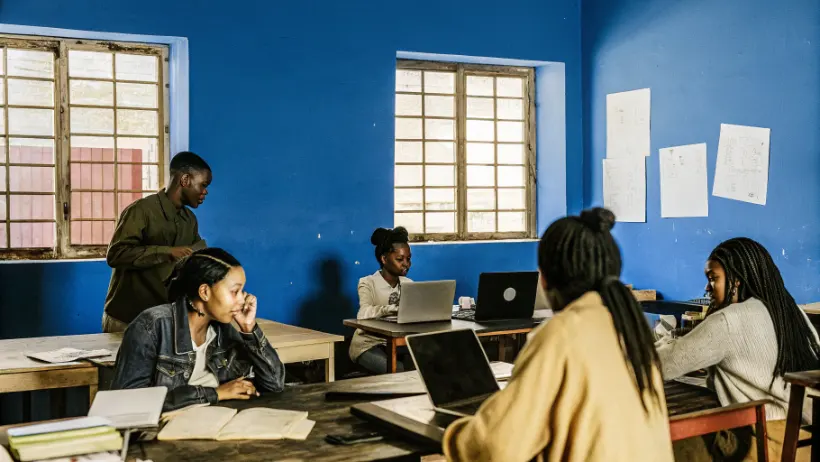
For Msinga's future, young people provide both the biggest obstacle and the most promising chance. Beyond traditional schooling, educational support includes job counseling, life skills training, and youth advisory groups that provide young people with a say in local planning. While internship options offer real-world experience, bursary programs support students pursuing post-secondary education.
Frequently Asked Questions
What is the impact of a casino on a city?
Through the production of jobs, tax income, and tourism, casinos may have a big influence on local development. Municipalities may profit from collaboration agreements that finance neighborhood initiatives in the context of online casinos. Public services, educational initiatives, and infrastructure development are all supported by the financial donations.
What is the impact of casinos on the local economy?
Through direct employment, indirect employment in related businesses, and stimulated economic activity via spending, casino operations have an impact on local economies. Different dynamics are provided by online casinos, which may make money through partnerships or licensing agreements. Whether advantages are distributed to community members and how income is handled determine the overall economic effect.
Does a community benefit from casinos?
Regulatory frameworks and execution strategies determine how casino activities affect the community. Economic diversification, public service financing, and job development are possible advantages. Social expenses and compulsive gambling are risks. Whether casino connections ultimately serve community interests depends on responsible management, robust protections, and open government.
How do collaborations with internet casinos help Msinga municipality?
Partnerships with online casinos provide Msinga municipality with other revenue streams to augment conventional funding sources. These agreements could involve direct financial contributions to community development initiatives, marketing assistance for local tourists, and digital skills training for locals. The secret is to draft agreements with local benefit as the top priority.
What services are offered to inhabitants of Msinga Local Municipality?
Road upkeep, garbage management, community amenities, and water and sanitation infrastructure are among the vital services provided by Msinga Local Municipality. Additionally, the municipality makes government programs easier to access and works with other sectors to provide social services, healthcare, and education.
Conclusion
In a rural setting with few resources and enduring poverty, Msinga Local Municipality manages the difficult task of providing services and fostering growth. The municipality pursues creative strategies for economic growth and bettering the quality of life for its citizens while building on solid cultural roots.
Agriculture and other traditional industries continue to play a major role in local livelihoods, but diversification is necessary to generate enough job opportunities. One tactic for boosting municipal budgets and quickening infrastructure development is the incorporation of contemporary revenue streams, possibly including alliances with internet gambling sites. Maintaining responsible strategies that put the welfare of the community first and guarantee the transparent distribution of resources to high-priority requirements is essential to success.